

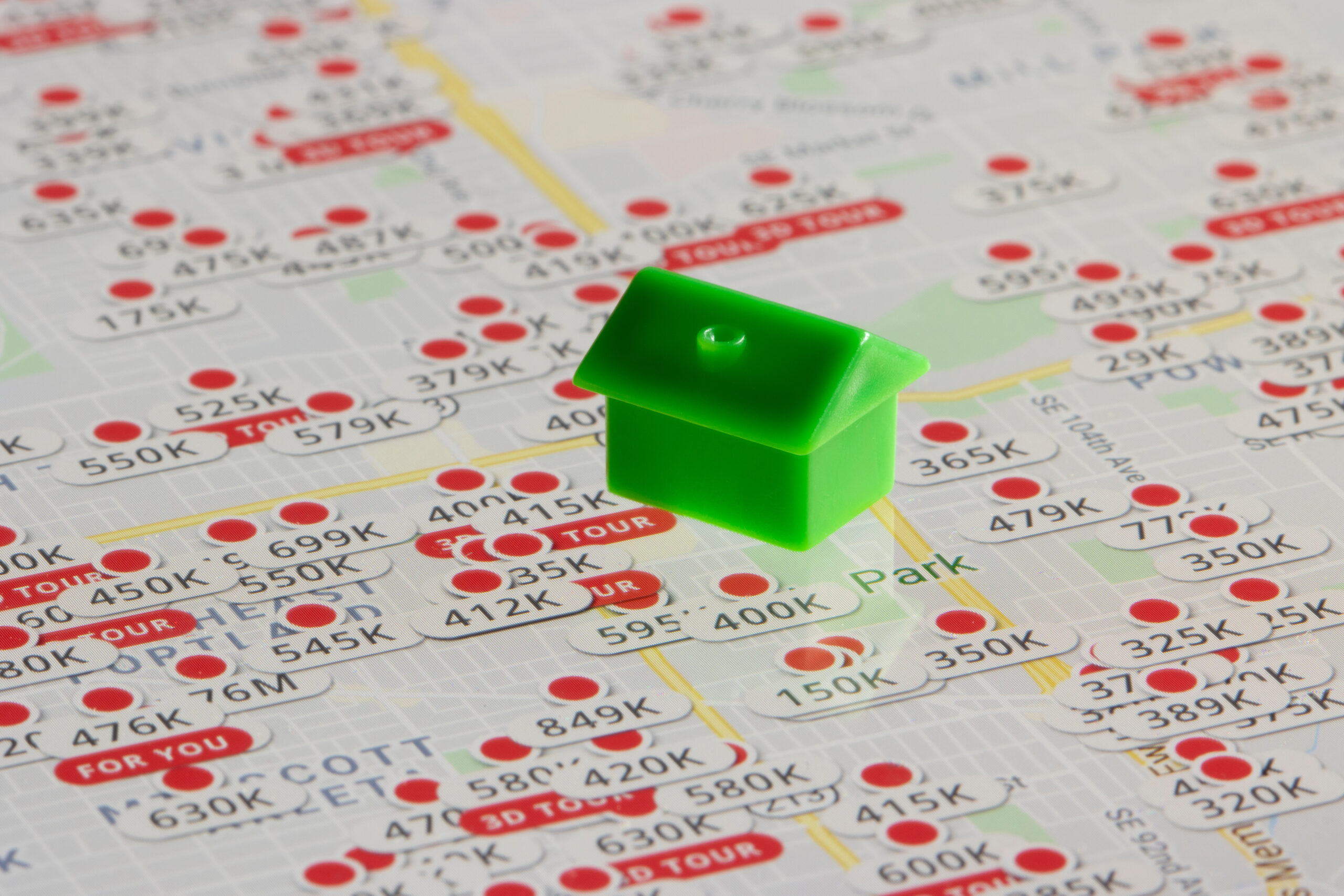
If you’ve been refreshing Zillow at night, saving homes, and watching numbers jump around, I get it. You’re trying to make a smart move, and the tools feel like they should give you straight answers. Then a Zestimate looks high, a home vanishes, or the listing details don’t match what you see in person. That’s usually the moment you start asking whether the portal is helping you, or quietly steering you into risk.
This guide addresses that gap. It breaks down where Zillow is genuinely useful, where it can mislead, and what changes once real expertise is applied to pricing, timing, and negotiation. It also highlights why luxury and custom homes in Southeast Michigan are often the most impacted by automated estimates and delayed data feeds.
DG Realty Group works with buyers and sellers across Birmingham, Bloomfield Hills, and the surrounding areas every week. This isn’t meant to talk you into anything. It’s meant to help you stop guessing and start making decisions based on what actually happens in real transactions, not what a screen suggests.
Along the way, We’lll cover:
- Where online estimates break down, especially in higher-end homes
- Why listings appear on some sites first, and what that means for timing
- How off-market options really work
- What changes in negotiation, inspections, and closing when you have representation
- How privacy and marketing are handled differently in luxury sales
Early on, you’ll also see a Zillow vs Realtor comparison that clears up a lot of confusion without drowning you in jargon.
How Accurate Are Zillow’s Home Value Estimates Compared to a Professional Appraisal?
You may already be wondering whether the number on Zillow is “close enough” to base a real decision on.
Zillow’s estimate can be a helpful starting point, but it is not an appraisal and it should not be treated like a pricing decision. Zillow itself says a Zestimate is not an appraisal and can’t replace one.
In luxury and custom homes, “close enough” can still mean tens of thousands of dollars.
Zillow also publishes its own national median error rates, which vary significantly depending on whether a home is actively listed. For on-market homes, Zillow reports a nationwide median error rate of 1.83%; for off-market homes, 7.01%.
That difference matters because many people check a Zestimate before a home is listed, or use it while negotiating an off-market opportunity.
Here’s an anonymized snapshot of what this can look like on non-cookie-cutter properties. (Numbers rounded to keep privacy.)
|
Property type (anonymized) |
Online estimate | Final sale price |
Gap |
|
Renovated historic home |
$1,420,000 | $1,560,000 |
-$140,000 |
|
Newer custom build |
$2,180,000 | $2,020,000 |
$160000 |
|
Unique lot + additions |
$1,860,000 | $2,050,000 |
-$190,000 |
Where this hits you:
- If you’re a buyer, you can overpay because you anchored on a number that missed key details.
- If you’re a seller, you can underprice, or you can overprice and burn time, then chase the market down.
Why Zestimates Often Fall Short in Luxury and Custom Homes
Luxury markets punish “averages.” Automated valuation models rely on patterns, and custom homes break patterns.
Zillow explains that its estimate uses public records, MLS data, and user-submitted data, plus home facts, location, and trends.
That sounds solid, until you run into the real issues that show up daily in Birmingham and Bloomfield Hills:
- tax record square footage that doesn’t match the finished living area
- renovations that aren’t fully captured in public records
- “one-of-one” layouts where comps are not truly comparable
- premium lots, walkability, or privacy features that don’t translate cleanly into an algorithm
A professional valuation process is different because it’s built around why one comp is relevant and another is not, and it accounts for how buyers in your exact pocket of the market behave.
The Risks of Relying on Automated Estimates During Negotiations
Before you decide anything, it’s important that you understand this clearly.
If you negotiate off a portal estimate, you’re often negotiating off the wrong battlefield. Zillow states the Zestimate isn’t an appraisal and encourages buyers and sellers to supplement it with research, such as visiting the home and obtaining a professional appraisal or a CMA from an agent.
That guidance is there for a reason.
Here’s what can happen in real deals:
- A buyer uses the estimate as a “ceiling” and loses to a stronger offer because they misinterpret the market demand.
- A seller treats the estimate as validation, lists too high, then gives back leverage through price drops.
A more grounded way to negotiate is to build a pricing story: the right comps, the right adjustments, and the right read of current demand.
(And if you’re specifically searching Zillow vs Realtor.com home value estimates, the main point is this: any site-level estimate is only as good as the data feeding it, and the logic used to interpret that data in your neighborhood. Zillow’s own published error rates show why that gap widens when a home is off-market. )
Why Do Some Homes Appear on Agent Sites but Not on Zillow?
Right now, you might be trying to relate this to your own situation, especially if you saw a home on an agent’s site that didn’t show up elsewhere.
This usually comes down to data sources and timing. Many agent websites pull directly from MLS/IDX feeds, while portals often rely on syndication paths that can lag, filter, or temporarily miss pieces of inventory. NAR defines IDX as a policy framework that allows MLS participants to display other participants’ listings on their websites, subject to rules and permissions.
That’s one reason an MLS-driven site can reflect changes faster.
A simple way to picture it:
MLS change (new listing, status change, price change)
↓
IDX/agent site update (often very fast)
↓
Portal syndication + processing (can vary by feed, rules, and timing)
↓
Portal display
If timing matters to you, this isn’t a small detail. It affects:
- How early can you see a listing
- How fast “pending” or “back on market” status is reflected
- Whether a listing’s photos, remarks, or disclosures match what’s current
Understanding MLS Data Delays and Incomplete Portal Coverage
If this feels confusing at first, let me simplify it for you.
Portals can only show what they receive, and what they’re allowed to show. Some sellers also restrict certain types of display under MLS rules, and data can be withheld or limited depending on the feed and permissions. Zillow even notes that for on-market homes, a Zestimate may be missing if an owner or agent has requested it be hidden per certain MLS rules.
Realtor.com’s own feed documentation shows how structured and scheduled these updates can be; it states broker data feeds can be updated and processed up to four times a day.
That’s fast, but it still means “not always instant,” and it still depends on the source feed being correct.
Here’s a quick update-speed comparison you can keep in your head:
|
Source |
Typical update path |
What you should assume |
|
MLS/IDX agent site |
direct feed into the site | fastest reflection of MLS changes |
| Major portals | syndicated feeds + processing |
can lag or miss details temporarily |
If you’re searching Zillow vs Realtor.com listing accuracy, it’s less about which brand “cares more,” and more about how quickly correct data flows in and how quickly fixes propagate once something is wrong.
We’ve seen a Birmingham listing go live on an MLS-driven site, get booked for showings within hours, and still show incomplete photo sets or old remarks on a portal the same day. That timing gap is enough to change your weekend plan.
Can Zillow Give You Access to Off-Market or Exclusive Listings?
At this point, it’s completely natural if you have a few questions in mind, especially if you’re trying to buy something rare.
Zillow can show a lot of inventory, but it’s not built to surface the quiet opportunities that happen through relationships, timing, and local networks. Off-market activity exists because some sellers value privacy, control, and flexibility more than clicks.
In luxury, “off-market” often means:
- A seller tests demand quietly before going public
- A Home is shared inside a trusted network first
- A match is made before the wider public sees it
A portal can’t replace that, because it doesn’t have the human layer where these conversations happen.
Here’s a quick checklist that often signals an off-market opportunity:
- Seller is renovating and wants to gauge pricing before listing
- The property has privacy needs (high-profile seller, security concerns)
- The home is truly one-of-one and the seller wants curated buyer access
- The seller wants to avoid constant showings
We recently worked with a buyer who wanted a very specific style and location. We narrowed it to a handful of streets, then reached out quietly to owners and contacts. The buyer ended up securing a home before it ever became a weekend “open house race.”
How Does Negotiation and Transaction Support Differ Between Zillow and a Licensed Realtor?
Zillow is a search tool; it’s not the party responsible for protecting your position when the contract gets real. A licensed Realtor is there to interpret risk, set strategy, and carry the deal through contingencies and closing with you.
Think of it like this:
Portal-only path:
Search → tour → guess at offer terms → hope inspections go well → react to surprises
Agent-guided path:
Search → pricing strategy → offer terms built around your goals → inspection plan → negotiation → closing plan
Where the difference becomes obvious is not in the first showing. It’s in:
- Offer structure (appraisal gaps, inspection terms, occupancy terms)
- What you do when an inspection report lands
- What you do when an appraisal comes in low
- What you do when a title or HOA issue appears late
Protecting Your Interests in Contingencies and Closing
Representation is not just paperwork. It’s accountability and a duty of care. The National Association of REALTORS® publishes its Code of Ethics and Standards of Practice, which frames ethical duties and conduct expectations for REALTORS®.
In real life, that translates into doing the hard work of advising you on risk, not just passing messages.
This is where a lot of buyers and sellers get hurt when they rely on a portal workflow:
- They accept “standard” terms that don’t match their situation
- They miss leverage during inspection negotiations
- They agree to repairs or credits without understanding market norms
- They find out too late that timing, occupancy, or financing details were not handled cleanly
Quick client-side reality check: If you’ve ever felt like portals create a “race” feeling, that’s partly because of how inquiries are handled. Many platforms monetize attention through lead programs. Zillow itself describes Zillow Premier Agent lead types and how agents work them.
If you’ve been contacted by multiple agents after one click, that’s often the system, not your imagination.
If you want a grounded pricing conversation before you make your next move, we are happy to help you get clarity without pressure. DG Realty Group, Signature Sotheby’s International Realty in Birmingham, MI keeps this simple: you tell us what you’re trying to do, and we’ll tell you what the market is actually doing.
What Privacy and Marketing Advantages Do Licensed Realtors Offer for Luxury Properties?
Let’s pause for a moment and look at this from your perspective, because privacy is not a “nice to have” at the higher end.
Luxury sellers often want two things at once: discretion and serious exposure. That balance is not something a portal can handle automatically.
Privacy advantages can include:
- controlling, showing access and buyer qualification
- limiting public chatter around timing, security, and occupancy
- planning a launch that fits your life, not just a website cycle
Marketing advantages are about presentation and distribution. A portal lists; it doesn’t craft a positioning strategy for your exact buyer profile. Distribution through global luxury networks can still matter, because the buyer pool is not always local, even in Michigan.
Sotheby’s International Realty has publicly stated the scale of its online audience; one brand-affiliated source reports more than 46 million visitors to sothebysrealty.com.
That doesn’t “sell the home by itself,” but it helps explain why luxury marketing often involves channels beyond a single portal page.
Which Is Better for Buyers and Sellers in Southeast Michigan: Zillow or a Licensed Realtor?
You’re probably asking yourself how this actually works in real life, not in theory.
If you want the straight answer: Zillow is useful for broad discovery; a licensed Realtor is how you win the home you want, or sell at the level your property deserves. In Southeast Michigan, the “better” choice depends on whether you’re browsing or transacting.
If you’re typing Which is better Zillow or Realtor into Google, what you’re really asking is: “Where do I get the cleanest data and the strongest outcome?”
Here’s a practical way to separate the roles:
- Zillow helps you find possibilities.
- A Realtor helps you verify reality, structure terms, and protect results.
Now, the buyer and seller angle:
- If you’re shopping, Zillow vs Realtor for buyers is really about how quickly you can confirm what’s real, get in the door, and write terms that win without regret.
- If you’re selling, a portal can’t choose your pricing lane, your launch timing, or your negotiation posture.
And if you’re searching Best real estate portal Zillow Realtor, the honest answer is: no portal is “best” for outcomes. Portals are best for browsing. Outcomes come from strategy.
Decision table (portal vs Realtor)
|
Decision factor |
Portal-only use |
Licensed Realtor support |
|
Value accuracy |
estimate-driven | comp-driven + market behavior |
|
Listing visibility |
depends on syndication |
MLS/IDX + network + direct outreach |
|
Offer strength |
guesswork |
terms built around your goals |
|
Inspection/appraisal issues |
reactive |
planned + negotiated |
| Privacy | limited controls |
structured access and screening |
And one more point buyers and sellers should know: commissions are negotiable, and what matters is what you net, what you pay, and what risk you took to get there. A lower fee doesn’t help if you leave value on the table or lose the home you wanted.
If you’ve ever wondered why one click can trigger multiple calls, that’s the business model behind Zillow vs Realtor leads. Zillow publishes training content about how Premier Agent leads are delivered and worked.
In plain terms, lead routing affects your experience as a buyer. It can also affect agents’ spend and behavior, which is why people talk about Zillow vs Realtor lead quality.
Luxury Real Estate Representation Done Right in Michigan, Here’s Why Clients Choose DG Realty Group
You may already be wondering who you can trust when the numbers are high and the margin for error is small.
If you want a team that protects your price, controls the process, and gives your home serious exposure, this is exactly what we do at DG Realty Group, Signature Sotheby’s International Realty in Birmingham, MI.
Here’s what you get with us, in real terms:
- Proven volume and credibility: Ranked #1 in Michigan for individual sales volume (RealTrends / The Wall Street Journal, 2023), plus Top 100 globally within Sotheby’s International Realty (2024&2025).
- Deep transaction experience: Over $800M in career sales, consistent $100M+ annual volume noted in team materials, and Michigan’s record $40M transaction referenced in the brand story.
- A true team, not one overwhelmed agent: Dedicated support across operations, client care, and marketing roles, so deadlines and follow-ups don’t slip.
- Luxury-level presentation and launch strategy: Professional photography and video plus a structured first-week plan that drives qualified interest early.
- Global exposure with local precision: Sotheby’s distribution paired with neighborhood-level pricing and timing; our site notes distribution driving 90 million property views annually through major media and real estate sites.
FAQ
How accurate is Zillow’s Zestimate in Michigan luxury markets?
It can be off, especially on custom homes. Zillow reports a national median error rate of 1.83% on-market and 7.01% off-market.
Why don’t all MLS listings show up immediately on Zillow?
Many sites display MLS listings through IDX, while portals may rely on syndication and processing delays. NAR explains the IDX framework and rules.
Can I find off-market homes in Birmingham or Bloomfield Hills on Zillow?
Usually no. Off-market deals come through networks and direct outreach, not public portal pages.
What negotiation help does a Realtor provide that Zillow can’t?
A Realtor builds offer strategy, manages inspection and appraisal pressure, and guides closing risk. NAR’s Code of Ethics sets professional expectations for REALTORS®.
Are commission fees worth it compared to using Zillow alone?
It depends on your net and your risk. A lower fee doesn’t help if you overpay, underprice, or lose leverage during inspection and appraisal.
How does Sotheby’s International Realty exposure compare to Zillow traffic?
Traffic is massive on portals, but exposure alone doesn’t solve pricing or terms. Our site notes 90 million annual property views through Sotheby’s distribution partnerships.
What are common mistakes buyers make relying only on real estate portals?
Anchoring on automated values, trusting stale listing info, and writing offers without a term strategy for inspections, appraisal, and timing.
How do I get a professional home valuation instead of a Zestimate?
Start with comps and local demand, not a single algorithm number. Zillow says the Zestimate is not an appraisal. Contact DG Realty Group for your custom home valuation.
Final thoughts
You don’t need to stop using Zillow. You just need to know what it can’t do for you. Online estimates can drift, listing feeds can lag, and traffic numbers don’t protect your money during inspections, appraisals, and closing. A licensed Realtor’s job is to verify reality, build a strategy, and carry the deal across the finish line with fewer surprises.
If you’re buying or selling in Southeast Michigan, the real advantage is not “more listings.” It’s a clearer valuation, better timing, stronger negotiation, and a process that respects your privacy.
If you want to talk through your situation with real numbers and real comps, reach out to DG Realty Group, Signature Sotheby’s International Realty in Birmingham, MI.